
Transforming Seasonal Hiring: The Role of AI in Talent Acquisition
Rohit Kothawade
Growth Manager

Transforming Seasonal Hiring: The Role of AI in Talent Acquisition

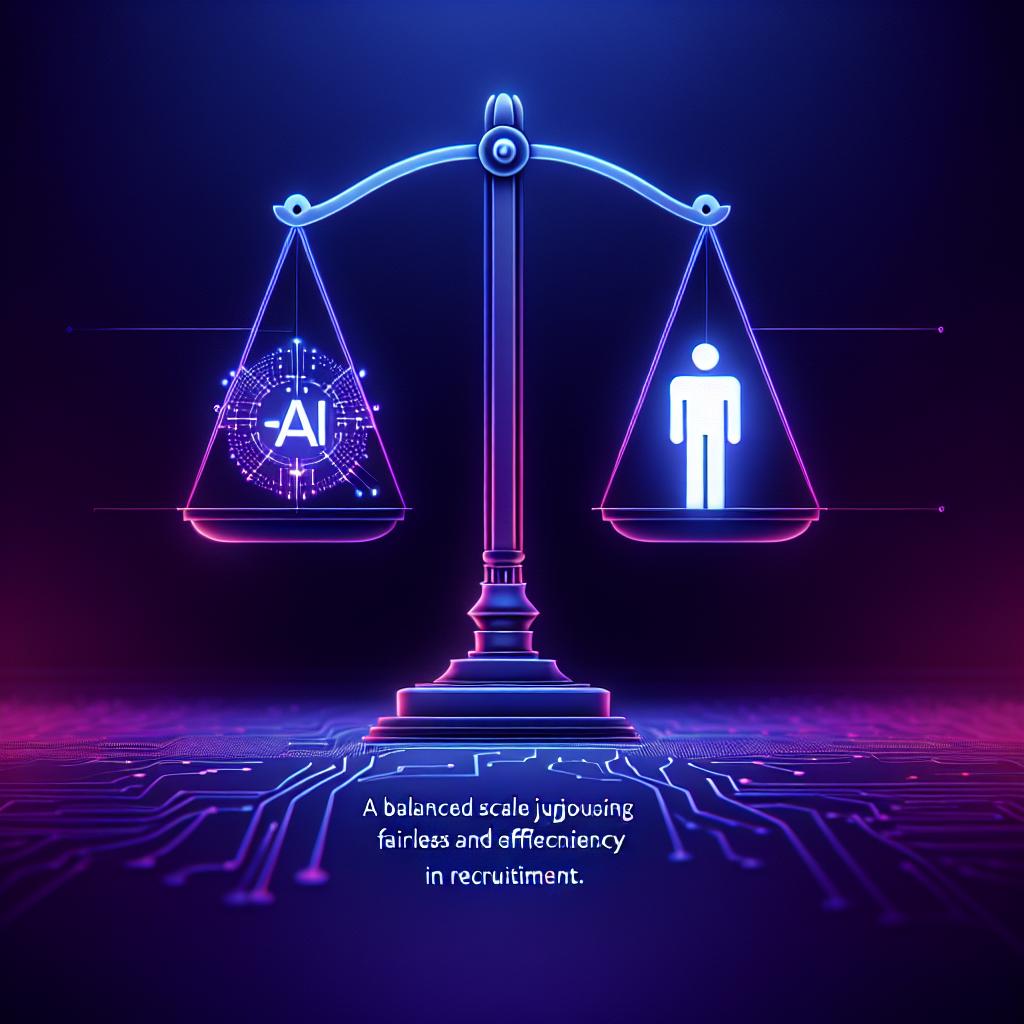
Transform seasonal hiring with AI in talent acquisition. Discover AI recruiting tools, chatbots, and ethical practices for better candidate experience.
As the retail industry faces seasonal hiring challenges, using AI in talent acquisition can transform traditional recruitment processes. This article shows how AI technology, from chatbots to ethical practices, enhances efficiency and candidate experience during high-demand periods.
Introduction to AI in Talent Acquisition
AI in talent acquisition changes how companies find and hire workers. Smart technology handles repetitive tasks while humans focus on relationship building. This combination creates faster, better hiring results.
Traditional recruitment methods struggle with seasonal demands. HR teams get overwhelmed during peak hiring periods. Manual processes create delays that cost companies good candidates. AI recruiting solves these bottlenecks automatically.
Automated hiring systems work around the clock without breaks. They screen resumes, schedule interviews, and send updates instantly. This constant activity keeps candidates engaged throughout the process. Speed becomes a major competitive advantage.
Machine learning improves hiring decisions over time. AI systems learn from successful hires and failed recruitments. They identify patterns that predict job performance. This data-driven approach beats guesswork every time.
Seasonal hiring creates unique challenges that AI addresses well. Retail companies need to hire hundreds of workers quickly. They must maintain quality while processing massive application volumes. AI recruiting platforms handle this scale effortlessly.
The technology reduces hiring costs significantly. Less time spent on manual tasks means lower labor expenses. Better hiring decisions reduce turnover and training costs. ROI appears within the first hiring cycle.
Integration with existing systems makes adoption simple. Most AI recruiting tools connect to current HR platforms easily. Companies don't need to replace their entire tech stack. Gradual implementation reduces disruption and learning curves.
Real-time analytics provide valuable hiring insights. Managers see which sources produce the best candidates. They track time-to-hire and conversion rates constantly. This data helps optimize recruitment strategies continuously.
Benefits of AI in Streamlining Seasonal Hiring
Seasonal hiring demands create perfect conditions for AI recruiting success. The technology excels at handling high volumes with consistent quality. Smart systems process thousands of applications without getting tired or making errors.
Speed improvements are immediate and dramatic. AI screens resumes in seconds instead of hours. Automated hiring systems rank candidates by fit score instantly. Managers can start interviews within hours of job posting.
Quality control stays consistent throughout busy periods. AI applies the same criteria to every candidate fairly. Human reviewers might rush decisions when overwhelmed. Machines maintain standards regardless of application volume.
Cost savings multiply during seasonal rushes. Less manual screening time reduces labor expenses significantly. Better hiring choices decrease turnover costs later. The financial benefits compound with each successful hire.
Candidate experience improves with faster response times. AI sends acknowledgments and updates immediately. Job seekers appreciate quick feedback during their search. This positive experience strengthens employer brand reputation.
Scheduling becomes automated and conflict-free. AI coordinates calendars between candidates and managers seamlessly. It handles rescheduling and sends reminders automatically. This removes friction from the interview process.
Predictive analytics forecast staffing needs accurately. AI analyzes sales patterns and seasonal trends. It recommends optimal hiring timelines and quantities. This planning prevents understaffing during peak periods.
Data-driven insights improve future campaigns. AI tracks which job boards produce quality candidates. It measures the success of different recruitment messages. This learning makes next season's hiring even better.
Scalability handles any hiring volume effortlessly. Whether hiring 50 or 500 workers, AI performs consistently. Human teams would need proportional scaling for larger campaigns. Technology provides unlimited capacity at fixed costs.
The Role of AI-Powered Chatbots in Candidate Engagement
AI chatbots transform how companies communicate with job seekers. These smart assistants provide instant answers to common questions. They keep candidates engaged while human recruiters handle complex tasks.
24/7 availability meets modern candidate expectations. Job seekers often search and apply outside business hours. Chatbots respond immediately regardless of time or day. This constant availability improves candidate experience significantly.
Common question handling reduces recruiter workload. Chatbots answer queries about pay, schedules, and job duties. They explain application processes and requirements clearly. Human recruiters can focus on relationship building instead.
Personalized interactions make conversations feel more human. AI chatbots use candidate names and reference specific applications. They adapt responses based on job type and experience level. This customization creates better engagement rates.
Application assistance guides candidates through complex forms. Chatbots help with document uploads and requirement clarifications. They catch incomplete submissions before final submission. This support reduces abandoned applications significantly.
Interview scheduling becomes completely automated. Chatbots coordinate availability between all parties involved. They send confirmations and reminders automatically. Rescheduling happens without human intervention needed.
Pre-screening questions gather essential information efficiently. Chatbots ask about availability, transportation, and basic qualifications. They flag candidates who don't meet minimum requirements. This screening saves human reviewers valuable time.
Multilingual support expands candidate reach significantly. AI chatbots communicate in multiple languages naturally. They help non-English speakers navigate the application process. This inclusion broadens the available talent pool.
Feedback collection improves the hiring process continuously. Chatbots ask candidates about their experience after interviews. They gather suggestions for process improvements. This input helps refine recruitment strategies over time.
Using AI for Candidate Applications and Assessments
Automated hiring transforms how companies evaluate job applicants. Smart systems analyze resumes, test skills, and predict performance objectively. This scientific approach improves hiring accuracy significantly.
Resume parsing extracts key information automatically. AI identifies relevant skills, experience, and qualifications instantly. It handles different formats and layouts without problems. This standardization makes comparison easier and fairer.
Skills assessment becomes more accurate with AI testing. Adaptive tests adjust difficulty based on candidate responses. They measure actual abilities rather than test-taking skills. This precision identifies truly qualified applicants better.
Bias reduction improves hiring fairness across all groups. AI focuses on job-relevant qualifications only. It ignores factors like names, photos, or backgrounds. This objectivity creates more diverse hiring outcomes.
Video interview analysis provides deeper candidate insights. AI reads facial expressions, tone, and word choice. It identifies confidence levels and communication skills objectively. These soft skills matter greatly in customer-facing roles.
Cognitive ability testing predicts job performance effectively. AI measures problem-solving skills and learning capacity. These traits correlate strongly with work success. Smart assessments focus on the most predictive factors.
Cultural fit evaluation matches candidates to company values. AI analyzes personality traits and work preferences. It predicts how well someone will integrate with teams. This matching reduces turnover and improves satisfaction.
Performance prediction models forecast future success. AI combines assessment results with historical data. It identifies candidates most likely to succeed long-term. This forward-looking approach improves hiring ROI substantially.
Adaptive testing provides better candidate experiences. AI adjusts questions based on skill level demonstrated. Candidates face appropriate challenges without frustration. This personalization makes assessments more engaging and accurate.
The Importance of Ethical AI in Recruitment
Ethical AI ensures fair and legal hiring practices. Companies must use AI recruiting tools responsibly. This means protecting candidate privacy and avoiding discrimination. Proper implementation builds trust with job seekers.
Bias prevention requires careful algorithm design and monitoring. AI systems can inherit biases from training data. Regular audits identify and correct unfair patterns. Diverse development teams help spot potential problems early.
Transparency builds candidate trust in AI recruiting processes. Companies should explain how AI influences hiring decisions. Candidates deserve to know what factors matter most. This openness improves employer brand reputation significantly.
Data privacy protection is legally required and ethically important. AI systems collect extensive candidate information during assessments. Secure storage and limited access prevent misuse. Clear privacy policies explain data handling practices.
Human oversight ensures AI recommendations make sense. Technology should support human decision-makers, not replace them. Final hiring choices need human judgment and context. This balance maintains accountability and flexibility.
Candidate consent is essential for ethical AI implementation. Job seekers should understand and approve AI use. Opt-out options respect individual preferences. This consent process demonstrates respect for candidate rights.
Algorithm explainability helps identify potential problems. Companies need to understand how their AI makes decisions. Black box systems hide important bias or errors. Transparent algorithms enable proper oversight and improvement.
Regular monitoring catches issues before they cause harm. AI performance should be tracked continuously. Metrics like diversity outcomes reveal systemic problems. Quick corrections prevent legal and reputational damage.
Vendor selection impacts ethical AI implementation success. Companies should choose providers with strong ethical commitments. Due diligence reviews help identify responsible technology partners. This careful selection protects against future problems.
Conclusion: Embracing AI for Future Seasonal Hiring
The future of seasonal hiring belongs to companies that embrace AI recruiting technology. Smart systems handle volume while maintaining quality and fairness. Early adopters gain competitive advantages that grow stronger each season.
Implementation success requires planning and proper tool selection. Platforms like BeeHire offer comprehensive AI recruiting solutions designed for seasonal needs. They combine automated hiring efficiency with ethical practices and great candidate experience.
Training and change management ensure smooth technology adoption. HR teams need hands-on practice with new AI tools. Clear communication about benefits reduces resistance to change. Support from vendors helps overcome initial learning curves.
Continuous improvement keeps AI recruiting systems effective. Regular performance reviews identify optimization opportunities. Candidate feedback reveals experience pain points. This ongoing refinement maximizes technology benefits over time.
The competitive landscape demands faster, better hiring processes. Companies that stick with manual methods will lose top talent. AI recruiting provides the speed and quality needed for success. Investment in this technology pays dividends immediately.
Candidate expectations continue rising for efficient hiring experiences. AI chatbots and automated hiring meet these demands perfectly. Companies that deliver superior experiences attract the best workers. This talent advantage drives business success directly.
Ethical AI implementation protects companies while improving outcomes. Responsible use of technology builds trust with candidates. Fair hiring practices create diverse, high-performing teams. This ethical approach supports long-term business sustainability.
BeeHire helps retail companies transform their seasonal hiring with intelligent AI recruiting solutions. Our platform combines speed, quality, and ethics in one comprehensive system. Contact us to see how AI in talent acquisition can revolutionize your hiring process.