
Revolutionizing Recruitment: The Role of AI in Intelligent Hiring Processes
Rupali Modi
HR Manager

Revolutionizing Recruitment: The Role of AI in Intelligent Hiring Processes
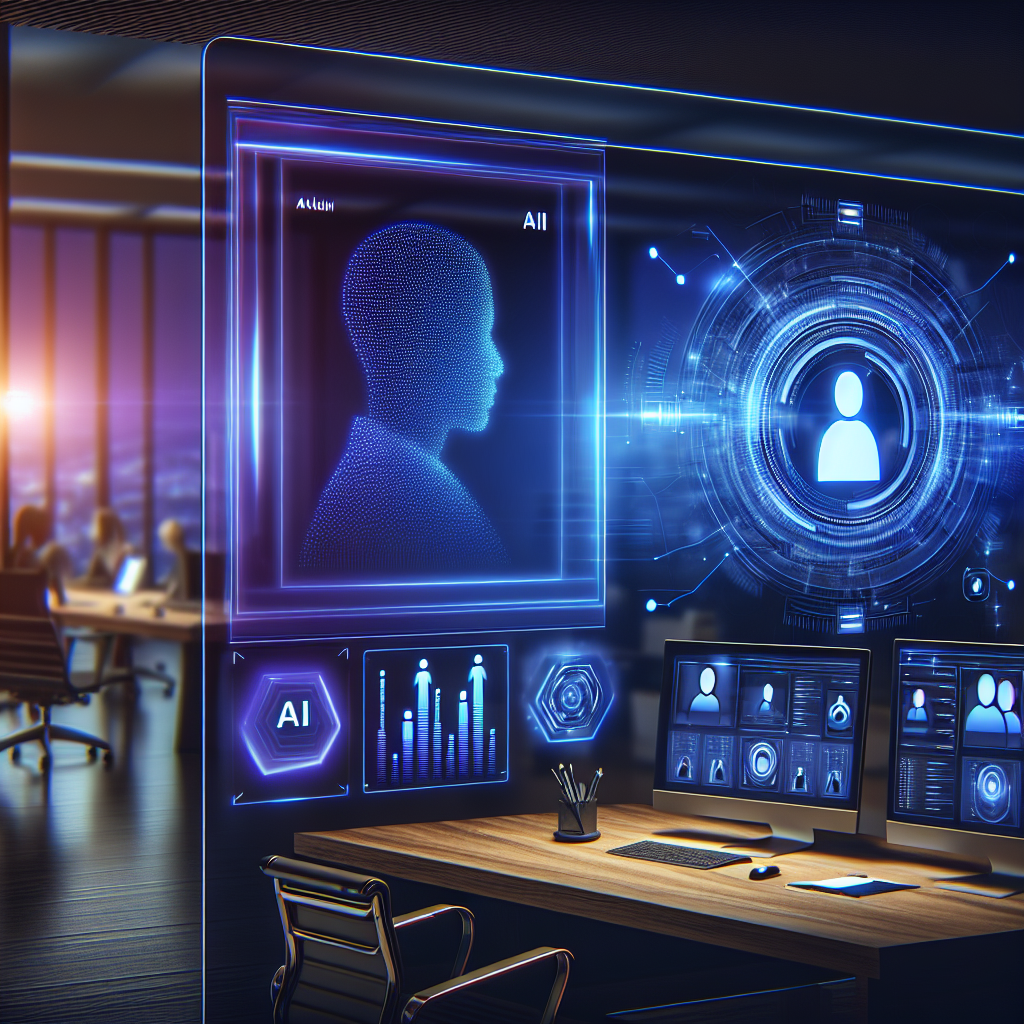
Intelligent hiring uses AI talent sourcing, candidate assessment, video interview analysis, and situational judgment tests to transform recruitment.
In the changing world of recruitment, intelligent hiring is transforming how companies find and select talent. AI talent sourcing and smart assessment tools help businesses make better hiring decisions faster. These technologies give start-ups and growing companies powerful advantages in competitive talent markets.
Traditional hiring methods often miss great candidates and waste valuable time. Human reviewers can't process hundreds of applications efficiently or fairly. Intelligent hiring solves these problems by using AI to identify top talent automatically.
Modern recruitment requires smarter approaches to candidate assessment and selection. AI-powered tools can evaluate skills, personality, and potential more accurately than manual reviews. This technology helps companies build stronger teams while reducing hiring mistakes and costs.
Understanding Intelligent Hiring
Intelligent hiring combines human insight with AI technology to make better recruitment decisions. These systems use data and algorithms to identify the best candidates for specific roles. They evaluate applications faster and more consistently than traditional methods allow.
AI talent sourcing finds qualified candidates from multiple sources automatically. Smart systems search job boards, social networks, and databases for relevant profiles. This automation discovers talent that recruiters might miss through manual searches alone.
Candidate assessment becomes more accurate and objective with AI-powered tools. Systems can evaluate technical skills, soft skills, and cultural fit simultaneously. This comprehensive analysis provides better insights for hiring decisions than resume reviews alone.
Video interview analysis uses AI to understand candidate responses and behavior patterns. Technology can assess communication skills, confidence levels, and personality traits automatically. This analysis helps recruiters identify candidates who will succeed in specific roles.
Situational judgment tests measure how candidates handle real workplace scenarios. AI systems can create and score these assessments automatically. This testing provides valuable data about problem-solving abilities and decision-making skills.
Key Components of AI-Powered Recruitment
Natural language processing helps AI understand job requirements and candidate qualifications better. Systems can match people with roles even when exact keywords don't match perfectly. This flexibility discovers qualified candidates that keyword searches miss completely.
Machine learning algorithms improve recruitment accuracy over time. AI systems learn from successful hires and adjust their recommendations automatically. This continuous improvement helps companies make better hiring decisions consistently.
Predictive analytics identify candidates most likely to succeed in specific positions. AI analyzes patterns from past hires to predict future performance accurately. This insight reduces hiring mistakes and improves long-term employee retention rates.
Data integration connects AI hiring tools with existing HR systems and databases. Companies can access candidate information from multiple sources automatically. This connectivity provides complete pictures of potential hires for better decision-making.
The Shift from Traditional Methods to AI-Driven Solutions
Traditional recruitment relies heavily on manual resume reviews and subjective interviews. This approach takes significant time and often produces inconsistent results. Human bias can affect decisions and prevent qualified candidates from getting opportunities.
Intelligent hiring addresses these limitations through automated screening and objective assessment methods. AI talent sourcing processes thousands of profiles in minutes rather than days. This speed helps companies secure top candidates before competitors make offers.
Candidate assessment improves dramatically when AI handles initial evaluations. Systems apply consistent criteria to every application fairly and objectively. This standardization reduces bias and ensures qualified candidates receive proper consideration.
Video interview analysis provides insights that traditional interviews might miss. AI can detect subtle communication patterns and stress indicators automatically. This analysis helps recruiters understand candidate potential beyond surface-level responses.
Advantages Over Manual Processes
Speed improvements are immediately obvious when companies implement intelligent hiring systems. AI talent sourcing can identify qualified candidates in hours instead of weeks. This efficiency helps businesses fill critical positions faster than ever before.
Consistency becomes achievable when AI handles candidate assessment tasks. Human reviewers have varying standards and energy levels throughout the day. Automated systems apply the same criteria to every candidate fairly and objectively.
Scale capabilities allow companies to handle massive application volumes efficiently. Intelligent hiring systems can process thousands of candidates without additional staff costs. This scalability supports business growth without proportional hiring expense increases.
Quality improvements result from more comprehensive candidate evaluation methods. AI systems can assess multiple factors simultaneously and weight them appropriately. This analysis produces better hiring recommendations than manual reviews typically achieve.
Benefits of AI in Talent Sourcing and Assessment
AI talent sourcing expands the pool of potential candidates significantly. Smart systems search multiple platforms and databases automatically for qualified profiles. This comprehensive approach discovers talent that manual searches often overlook completely.
Passive candidate identification becomes possible through intelligent social media and professional network analysis. AI can find qualified people who aren't actively job searching. This capability gives companies access to top talent before competitors discover them.
Candidate assessment accuracy improves through objective skill testing and personality evaluation. AI systems can measure technical abilities, communication skills, and cultural fit simultaneously. This comprehensive analysis provides better hiring insights than traditional interviews alone.
Bias reduction happens naturally when AI handles initial candidate screening processes. Automated systems focus on qualifications rather than demographic factors or personal preferences. This objectivity creates fairer opportunities for all candidates regardless of background.
Enhanced Evaluation Methods
Situational judgment tests present realistic workplace scenarios to measure decision-making abilities. AI can create these assessments automatically and score responses objectively. This testing provides valuable insights about how candidates handle real job challenges.
Video interview analysis reveals communication patterns and personality traits that audio interviews miss. AI can assess body language, speech patterns, and response quality simultaneously. This analysis helps identify candidates who will excel in customer-facing or leadership roles.
Skills-based assessment tools measure job-relevant abilities directly rather than relying on credentials alone. AI systems can create customized tests for specific positions automatically. This approach identifies candidates with practical skills regardless of educational background.
Behavioral prediction models use historical data to forecast candidate success in specific roles. AI analyzes patterns from successful employees to identify similar traits in applicants. This insight helps companies make smarter long-term hiring investments.
Case Studies: Start-ups Successfully Using Intelligent Hiring
A technology start-up implemented AI talent sourcing to find software developers in a competitive market. Their system identified qualified candidates from coding forums and open-source projects automatically. This approach helped them hire 15 engineers in three months while competitors struggled to fill positions.
An e-commerce company used video interview analysis to assess customer service candidates remotely. AI evaluated communication skills and empathy levels from recorded interviews automatically. This process helped them build a high-performing support team across multiple time zones.
A fintech start-up leveraged situational judgment tests to evaluate risk assessment skills in potential analysts. AI created realistic scenarios and scored candidate responses objectively. This testing helped them identify employees who could make sound financial decisions under pressure.
A healthcare technology company used intelligent hiring to find sales representatives with medical knowledge. AI talent sourcing searched for candidates with both sales experience and healthcare backgrounds. This targeted approach reduced training time and improved sales performance significantly.
Measuring Success in AI-Powered Recruitment
Time-to-hire reductions of 40-60% are common when companies implement intelligent hiring systems. AI talent sourcing and automated candidate assessment eliminate bottlenecks in traditional processes. Faster hiring helps secure top candidates and reduce business disruption.
Quality-of-hire improvements become measurable through better employee performance and retention rates. Companies using AI assessment tools report 25-30% improvements in new hire success rates. Better selection leads to stronger teams and reduced turnover costs.
Cost-per-hire decreases significantly when AI handles time-consuming manual tasks. Companies save money on recruiter time and external agency fees. These savings can fund other business growth initiatives or employee development programs.
Candidate experience scores improve when AI provides faster responses and clearer communication. Automated systems keep applicants informed throughout the hiring process consistently. Positive experiences strengthen employer brands and encourage referrals.
Best Practices for Implementing AI in Recruitment
Start with clear objectives and realistic expectations when implementing intelligent hiring systems. Companies should identify specific problems they want AI to solve. Focused implementation delivers better results than trying to automate everything at once.
Data quality affects AI system performance more than any other factor. Clean job descriptions and accurate candidate criteria are essential for good results. Companies should invest time in data preparation before deploying intelligent hiring tools.
Human oversight remains critical even with advanced AI candidate assessment capabilities. Recruiters should review system recommendations and make final hiring decisions. This collaboration combines automation efficiency with human judgment and empathy.
Gradual rollout reduces risk and allows for system optimization before full deployment. Test intelligent hiring tools on a few positions before company-wide implementation. This approach helps identify issues and refine processes based on real results.
Training and Change Management
Team education ensures everyone understands how intelligent hiring systems work and their limitations. Proper training helps recruiters interpret AI recommendations and use tools effectively. Well-trained teams maximize the benefits of technology investments.
Process documentation standardizes how teams use AI talent sourcing and assessment tools. Clear procedures ensure consistent results and professional candidate experiences. Standard processes also help onboard new team members quickly.
Performance monitoring tracks system effectiveness and identifies improvement opportunities. Regular analysis of hiring metrics helps optimize AI tools for better results. Continuous improvement ensures technology investments deliver long-term value.
Feedback collection from candidates and hiring managers provides insights for system refinement. User input helps identify pain points and success factors in intelligent hiring processes. This information guides future technology decisions and process improvements.
Future Trends in Intelligent Hiring
AI talent sourcing will become more sophisticated in finding passive candidates and predicting career moves. Advanced systems will identify people likely to change jobs before they start searching. This capability will give companies significant competitive advantages in talent acquisition.
Video interview analysis will incorporate emotion recognition and stress assessment capabilities. AI will understand candidate reactions to different types of questions automatically. This insight will help recruiters adapt their approaches and make better hiring decisions.
Situational judgment tests will become more realistic through virtual reality and interactive simulations. Candidates will experience actual job scenarios before hiring decisions are made. This testing will provide unprecedented insights into job performance potential.
Candidate assessment will expand beyond skills to include learning ability and growth potential. AI systems will predict how quickly people can develop new capabilities. This analysis will help companies invest in candidates who can adapt to changing business needs.
Conclusion
Intelligent hiring represents the future of recruitment technology and candidate selection. AI talent sourcing, advanced candidate assessment, and objective evaluation methods give companies powerful tools for building great teams. These technologies help businesses find the right people faster and more efficiently than ever before.
Companies that embrace intelligent hiring now will gain significant advantages over competitors using traditional methods. Video interview analysis, situational judgment tests, and AI-powered assessment tools provide insights that manual processes simply cannot match.
The key to success lies in implementing these technologies thoughtfully with proper training and human oversight. Intelligent hiring works best when it augments human decision-making rather than replacing it completely. This balanced approach delivers optimal results for both employers and candidates.